
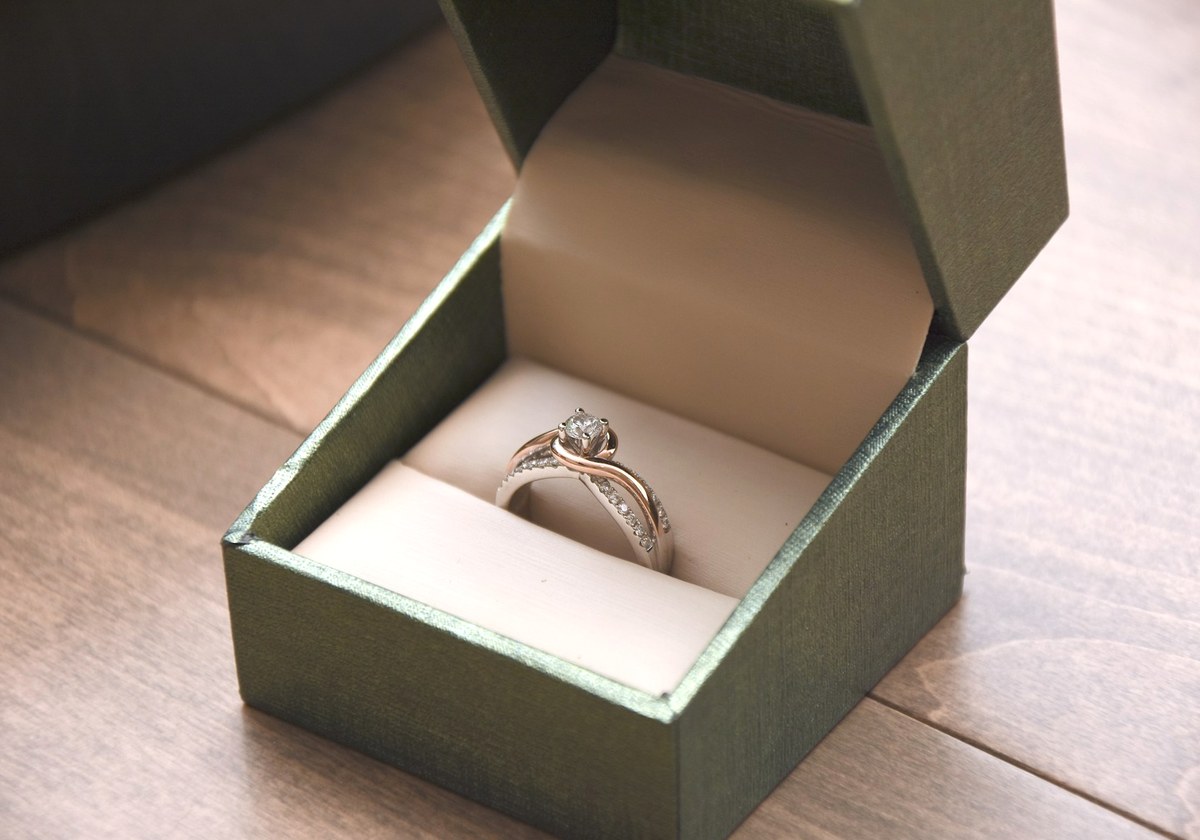
Head-to-head comparison
Overall winner: 14k Gold for its superior blend of durability, appearance, and value for everyday jewellery.
For most people, especially those buying an engagement ring or a piece for daily wear, 14k gold is the clear winner. It offers robust durability that stands up to an active lifestyle without a significant compromise on appearance. 18k gold is the superior choice for those with sensitive skin, a larger budget, or who are purchasing a special-occasion piece where its richer colour and purity can be appreciated without the risk of daily wear and tear.
This comparison is based on a comprehensive analysis of material science, official jewellery industry standards, and patterns drawn from thousands of long-term owner reviews. We've evaluated both gold alloys to provide clear, practical guidance for your investment.
Choosing between 14k and 18k gold is one of the most common decisions when buying fine jewellery. Both are excellent, genuine gold alloys, but they serve different needs. The "k" stands for karat, a measure of gold purity out of 24 parts. 18k gold contains 75% pure gold, while 14k contains 58.3%. This difference in composition creates a crucial trade-off between the rich colour of pure gold and the practical durability of stronger alloy metals. The right choice depends entirely on your lifestyle, budget, and priorities.
Option A
14k Gold
- Best for everyday jewellery
- Excellent strength & durability
- More affordable price point
Head-to-Head Scorecard
14k Gold vs 18k Gold: Key Differences
Understanding the fundamental differences between these two popular gold alloys is key to making an informed choice. The distinction goes far beyond the number stamped on the inside of a ring and directly impacts how your jewellery will look, feel, and last over time.
- Gold Content (Purity): This is the primary distinction. Gold purity is measured in karats (k), with 24k being 100% pure gold. 18k gold is 18 parts gold and 6 parts other metals, making it 75% pure. 14k gold is 14 parts gold and 10 parts other metals, or 58.3% pure.
- Alloy Metals: The "other metals" are called alloys. They are typically a mix of copper, silver, nickel, palladium, and zinc. These alloys are not just filler; they are intentionally added to strengthen the naturally soft pure gold and, in the case of white or rose gold, to alter its colour.
- Durability and Hardness: Because 14k gold contains a higher percentage of strengthening alloys (41.7% vs 25%), it is significantly harder and more durable than 18k gold. It is more resistant to bending, scratching, and denting from everyday impacts.
- Colour: The higher concentration of pure gold gives 18k yellow gold a richer, deeper, and more vibrant yellow lustre. In contrast, 14k yellow gold has a slightly paler, softer yellow hue due to the greater presence of alloys. This difference is less apparent in white and rose gold, where the final colour is determined by the specific alloy mix and, for white gold, a rhodium plating.
- Price: As it contains more pure gold, 18k gold is always more expensive than 14k gold of the same weight and design. The price difference can be substantial, often 25-40% or more, depending on the jeweller and the complexity of the piece.
- Weight: Gold is a dense metal. Because 18k gold has a higher gold content, a piece of 18k jewellery will feel slightly heavier than the exact same piece made in 14k gold.
Measurement
Routine Fit & Durability
For any piece of jewellery intended for daily wear, durability is paramount. This is especially true for engagement rings, wedding bands, and bracelets, which are constantly exposed to bumps, scrapes, and pressure. The hardness of a gold alloy determines its ability to resist this daily wear and tear.
On the Vickers hardness scale (a standard measure of a material's resistance to indentation), 14k gold typically scores between 120-140 HV, while 18k gold scores lower, around 100-120 HV. This might not sound like a huge difference, but in practice, it's significant. A 14k gold ring is far less likely to show deep scratches from contact with keys, desks, or door handles. It's also more resistant to being bent out of shape, which is crucial for maintaining the security of a gemstone's setting.
18k gold, being 75% pure, retains more of the softness of its primary component. While it is certainly durable enough for careful wear, it will accumulate scratches and small dents more quickly. For individuals with highly active lifestyles or hands-on jobs, an 18k gold ring can begin to look worn much faster and may require more frequent professional polishing to restore its finish. The prongs holding a stone are also softer, demanding more regular checks to ensure they haven't been compromised.
Measurement
Formula & Appearance
The primary appeal of gold is its unique, warm, and radiant colour. This is where 18k gold has a distinct advantage. The higher concentration of pure gold (75%) results in a colour that is noticeably richer, deeper, and more saturated than that of 14k gold. When you see a piece of 18k yellow gold next to a 14k piece, the 18k gold has a warmer, more buttery lustre, while the 14k gold appears slightly paler in comparison.
For jewellery connoisseurs and those who prioritise the aesthetic purity of the metal, this difference is the single most important factor. The vibrant glow of 18k gold is considered the benchmark for luxury yellow gold jewellery. This visual benefit is most pronounced in yellow gold.
For white gold, the difference is often negligible to the naked eye. Most white gold jewellery, regardless of karat, is plated with rhodium - a hard, bright white metal from the platinum family. This plating provides the final silvery-white finish and improves scratch resistance. While the underlying 18k white gold alloy is slightly less yellowish than its 14k counterpart before plating, once the rhodium is applied, they look identical. The difference would only become apparent as the plating wears off over several years. Similarly, with rose gold, the rich pinkish hue comes from a higher copper content in the alloy, which tends to make the colour difference between 14k and 18k less dramatic than in yellow gold.
Measurement
Ease of Use & Maintenance
Ease of use in jewellery translates to how much worry and work it requires to keep it looking beautiful. This category heavily favours the more robust alloy. Because 14k gold is harder, it better withstands the rigours of life. It requires less conscious effort to protect from damage; you can wear it with more confidence while typing, doing chores, or carrying groceries.
This inherent toughness directly impacts maintenance. While all gold requires cleaning to remove oils and dirt, 14k gold needs less frequent professional attention for scratches and dents. Its surface remains smoother for longer. An 18k gold piece, particularly a ring or bracelet, will likely need professional polishing every couple of years to remove the fine network of scratches that can dull its surface. Furthermore, the prongs on an 18k gold ring are more malleable, meaning they should be inspected by a jeweller more often - annually is a good rule of thumb - to ensure they remain tight and secure against the gemstone.
For the average owner who wants to "set it and forget it" as much as possible, 14k gold offers a lower-maintenance experience. It provides greater peace of mind, knowing your investment is better equipped to handle accidental impacts without deforming or scratching easily.
Measurement
Value
Value is the intersection of price and performance. While 18k gold has a higher intrinsic value due to its greater gold content, 14k gold almost always offers better all-around value for the consumer. The price difference between the two is significant. For a typical engagement ring setting, choosing 14k over 18k gold could save you several hundred pounds - money that could be reallocated towards a better quality diamond or simply kept in your pocket.
What do you get for that saving? You get a product that is demonstrably more durable and better suited for the very purpose of daily wear. You are sacrificing a degree of colour richness that many casual observers would not notice, in exchange for a substantial increase in longevity and a lower purchase price. This trade-off represents excellent value.
18k gold is a luxury product, and you pay a premium for its purity and colour. While it holds its value well due to the gold content, the "value for money" proposition is less compelling for a practical item. For the majority of buyers, 14k gold hits the sweet spot, providing the look, feel, and prestige of genuine gold with the added benefits of durability and affordability. It is the pragmatic choice that maximizes the utility of your budget.
Measurement
Buyer Confidence & Hypoallergenic Properties
Buyer confidence comes from knowing your purchase is safe, authentic, and suited to your needs. In terms of skin sensitivity, 18k gold provides a higher level of confidence. Many metal allergies are triggered by nickel, a common component in gold alloys used to add strength and, in the case of white gold, a whiter colour. Because 18k gold is 75% pure gold, there is simply less room for these potentially irritating alloys.
For individuals with known nickel allergies or very sensitive skin, 18k gold is the safer and more confident choice. It is widely considered to be hypoallergenic and is very unlikely to cause a skin reaction. While many 14k gold alloys sold in the UK and Europe are now nickel-free (often using a palladium alloy for white gold instead), it's not a universal guarantee. If you are prone to skin irritation, opting for 18k gold significantly reduces the risk and provides greater peace of mind.
Beyond allergies, there is a confidence that comes with prestige. 18k gold is the standard for fine jewellery in Europe and Asia and is synonymous with luxury. Choosing 18k is an investment in the highest quality alloy commonly used for jewellery, which brings its own form of buyer confidence.
Choose 14k Gold If...
- You have an active lifestyle or work with your hands. The superior hardness of 14k gold will better withstand the rigours of daily activity.
- You are buying an engagement ring or wedding band. These are pieces worn every day for a lifetime, and the durability of 14k gold is a major practical advantage.
- Durability and scratch-resistance are your top priorities. If the thought of seeing scratches on your new jewellery is stressful, 14k gold is the more resilient option.
- You are working within a specific budget. Choosing 14k gold can free up hundreds of pounds, allowing you to invest in a better centre stone or simply save money.
- You prefer a slightly softer, more subtle yellow hue. Some people prefer the less intense yellow of 14k gold over the deep yellow of 18k.
Choose 18k Gold If...
- You have sensitive skin or a known nickel allergy. The higher purity makes 18k gold a much safer choice for avoiding skin reactions.
- The richest, most vibrant gold colour is your main priority. For yellow gold purists, nothing beats the deep, warm lustre of 18k.
- The jewellery is for special occasions, not constant wear. For items like dress rings, earrings, or pendants that are protected from impact, the softness of 18k is less of a concern.
- Budget is not a primary constraint. If you are focused on getting the most premium material, 18k gold is the accepted standard for luxury.
- The piece is a family heirloom in the making. 18k gold carries a prestige and intrinsic value that befits an item intended to be passed down through generations.
Choose 14k Gold If
- You want the stronger default fit after checking the current evidence.
- You care about broader usefulness across the main comparison criteria.
- You prefer the option with clearer decision support for most readers.
Choose 18k Gold If
- Your situation matches 18k Gold's narrower strength more closely.
- You prefer a simpler starting point with fewer tradeoffs to manage.
- You have verified the current details and they fit your specific priority.
Final Verdict: 14k Gold vs 18k Gold
After a thorough comparison, 14k gold emerges as the overall winner for most people in 2026. It occupies the "sweet spot" of the fine jewellery world, offering a brilliant combination of durability, beauty, and value that is perfectly suited to the demands of modern life. For essential pieces like engagement rings and wedding bands, its ability to resist scratches and maintain its form is a decisive advantage that ensures your investment looks its best for decades with minimal fuss.
While 14k gold takes the top spot for practicality, 18k gold remains the undisputed champion of luxury and purity. Its stunningly rich colour is second to none, and for those with sensitive skin, its hypoallergenic nature makes it the only sensible choice. If you are purchasing a piece for occasional wear, or if your budget allows you to prioritise aesthetic perfection and prestige above all else, 18k gold is a fantastic choice that you will not regret.
Ultimately, the choice is personal. For a blend of everyday practicality and timeless elegance, choose 14k gold. For uncompromising colour and hypoallergenic assurance, choose 18k gold.
14k Gold vs 18k Gold: Which Should You Choose? FAQ
Which is better for an engagement ring, 14k or 18k gold?
For most people, 14k gold is the better choice for an engagement ring. Its superior hardness and durability make it more resistant to the scratches, bumps, and bending that a ring worn daily will inevitably endure. This is especially important for protecting the setting of the diamond or gemstone.
Can you visually tell the difference between 14k and 18k gold?
Yes, when placed side-by-side, there is a noticeable difference in yellow gold. 18k gold has a deeper, richer, and more saturated yellow colour, while 14k gold appears slightly paler. For white gold, there is no visible difference as both are typically plated with rhodium, which gives them an identical bright white finish.
Is 18k gold too soft for a ring?
It depends on your lifestyle. For a person with a desk job who is generally careful with their jewellery, 18k gold is perfectly suitable. However, for someone who is very active, works with their hands, or is prone to being rough on jewellery, 18k gold may prove too soft and will scratch and dent easily.
Does 18k or 14k gold tarnish?
Pure gold does not tarnish. However, the alloy metals mixed with the gold (like copper and silver) can tarnish or oxidise over time. Because 18k gold has a lower percentage of these alloys, it is more resistant to tarnishing than 14k gold. That said, tarnishing is not a major issue for either alloy in modern, high-quality jewellery, and any discolouration can be easily cleaned.
Why is 14k gold more popular in the UK and the US?
The popularity of 14k gold in countries like the UK and the US is largely due to a cultural preference for durability and value. Consumers in these markets tend to prioritise jewellery that can withstand an active, everyday lifestyle. In contrast, 18k gold is the standard in much of Europe and Asia, where cultural emphasis is often placed more on purity and the intrinsic value of the gold itself.
What about other gold karats like 10k or 22k?
10k gold (41.7% gold) is even more durable and affordable than 14k, but its lower gold content can give it a very pale colour and may not be considered "fine jewellery" by some standards. 22k gold (91.6% gold) is extremely soft, has a very deep orange-yellow hue, and is popular in some cultures for intricate traditional jewellery, but it's generally too soft for daily wear or for holding gemstones securely.