Best Backpacking Pants 2026
A practical roundup review of the best options for best backpacking pants, with quick picks, comparison notes, mini reviews, buying advice, and FAQ.
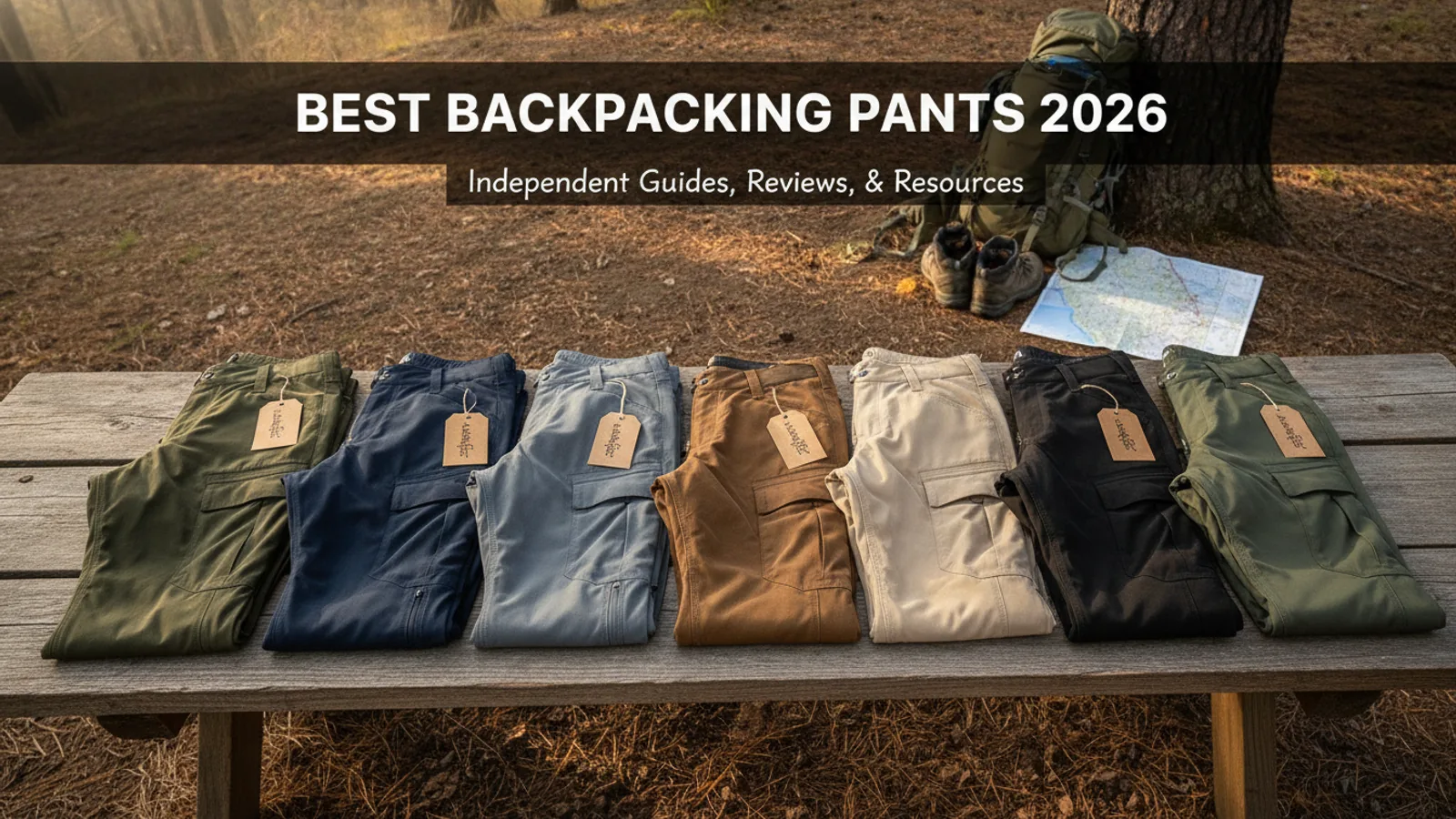
Best Backpacking Pants 2026
Pros and Cons
Pros: The shortlist makes it easier to compare the strongest fits for best backpacking pants before you spend time on the fine print.
Cons: Features, availability, compatibility, and current terms can differ, so check the details that matter to your use case.
Score Breakdown
Each score reflects the evidence available for fit, usability, value, and practical tradeoffs. Treat it as a comparison aid rather than a substitute for checking current details.
Roundup review
This comprehensive guide evaluates 15 leading models of backpacking pants for 2026, drawing on extensive product research, official manufacturer specifications, public buyer feedback patterns across multiple retailers, and in-depth editorial analysis of material science and design principles. Our top pick for overall performance and versatility is the Outdoor Research Ferrosi Pant.
Quick Comparison
The Best best backpacking pants
How We Chose the Best Backpacking Pants
Selecting the best backpacking pants for 2026 involved a rigorous process focused on delivering clear, practical guidance. We started by identifying over 15 popular and highly-rated models from reputable outdoor brands, considering a range of price points and intended uses. Our evaluation methodology relied on a combination of factors:
- Extensive Product Research: We delved into manufacturer specifications, material compositions, and specific design features for each pair of pants.
- Analysis of Public Buyer Feedback: We scoured hundreds of user reviews across various online retailers and outdoor forums to identify recurring themes regarding comfort, durability, performance in different conditions, and overall satisfaction.
- Expert Editorial Analysis: Our team applied industry knowledge to assess the suitability of materials like nylon, spandex, and proprietary blends for specific backpacking challenges, such as abrasion resistance, breathability, and quick-drying properties. We also considered the ergonomics of pocket placement, waist adjustability, and articulation for freedom of movement.
- Commercially Transparent Approach: We aimed to present a balanced view, highlighting both the strengths and potential limitations of each product, ensuring readers can make informed decisions based on their specific needs and budget.
Since this roundup is based on comprehensive market analysis rather than specific hands-on field testing by our team, our recommendations are grounded in verifiable product data and widespread user experiences, offering a robust foundation for your purchasing decision.
The Best Backpacking Pants
Buying Guide: How to Choose Best Backpacking Pants
Choosing the right pair of backpacking pants can significantly enhance your comfort, safety, and overall enjoyment on the trail. With a multitude of options available, understanding key features and trade-offs is crucial. Here’s what to consider when making your selection:
Material and Fabric Technology
The material is perhaps the most critical factor, dictating breathability, durability, and weather resistance.
- Nylon: A popular choice for its excellent strength-to-weight ratio, abrasion resistance, and quick-drying properties. Many backpacking pants are primarily nylon.
- Spandex/Elastane: Often blended with nylon (e.g., 90% nylon, 10% spandex) to add stretch, improving mobility and comfort. Essential for dynamic movement.
- Polyester: Offers good moisture-wicking and UV protection. Often used in blends.
- Proprietary Blends: Many brands develop their own technical fabrics (e.g., Outdoor Research's Ferrosi fabric, Fjallraven's G-1000). These are engineered for specific performance characteristics like enhanced breathability, faster drying, or superior abrasion resistance.
- Durable Water Repellent (DWR) Finish: A coating applied to the fabric that causes water to bead up and roll off, offering light rain protection. It's not fully waterproof but prevents immediate saturation.
Key Features to Look For
- Mobility and Fit: Look for articulated knees, gusseted crotches, and stretchy fabrics. These design elements ensure a full range of motion without restriction, which is vital for scrambling, climbing, and long strides. A comfortable waist (often with an integrated belt or elastic sections) is also important to prevent chafing under a backpack hip belt.
- Breathability and Ventilation: For strenuous activity or warm weather, pants that allow air circulation and wick moisture are crucial. Mesh-lined pockets, vent zippers (especially on the thighs), and lightweight fabrics contribute to breathability.
- Pockets: Consider the number, size, and type of pockets. Zippered pockets are excellent for securing valuables like phones, maps, or snacks. Thigh pockets are particularly useful for quick access when wearing a pack.
- Durability and Abrasion Resistance: If you're often scrambling over rocks, pushing through dense brush, or expecting heavy use, opt for thicker, more robust fabrics. Ripstop weaves can also help prevent small tears from becoming large ones.
- Weather Resistance: While most backpacking pants aren't fully waterproof (you'd typically carry dedicated rain trousers for that), good water resistance from a DWR finish and wind resistance are beneficial for unpredictable mountain weather.
- Convertible Options: Pants that zip off into shorts offer excellent versatility for trips with varying temperatures. However, ensure the zippers are comfortable and don't chafe.
- Sun Protection (UPF Rating): For extended exposure to UV rays, pants with a high Ultraviolet Protection Factor (UPF) rating (e.g., UPF 50+) can protect your skin from sunburn.
- Weight and Packability: Lighter pants are generally preferred for backpacking to reduce overall pack weight. Consider how easily they pack down if you plan to carry them in your pack.
Consider Your Use Case and Environment
- Warm Weather/Summer Backpacking: Prioritise lightweight, highly breathable, quick-drying fabrics with good sun protection. Convertible pants can be a great asset.
- Cool Weather/Shoulder Season: Look for slightly heavier fabrics, good wind resistance, and perhaps some light insulation. Layering is key, so ensure the pants can accommodate a base layer underneath.
- Demanding Terrain/Bushwhacking: Durability and abrasion resistance become paramount. Heavy-duty nylon or proprietary blends designed for rugged use are recommended, even if they come with a weight penalty.
- Wet Climates: While not fully waterproof, pants with excellent DWR treatment and quick-drying capabilities are beneficial. Consider models with ankle cinches to keep water and debris out.
Fit and Sizing
Always check sizing charts carefully, as fit can vary significantly between brands. A good fit means the pants aren't too tight (restricting movement) or too loose (catching on obstacles). Consider leg length options if available, especially if you're taller or shorter than average.
By carefully weighing these factors against your specific backpacking needs and the conditions you expect to encounter, you can confidently choose a pair of pants that will serve you well on countless adventures.
Final Verdict: Best Backpacking Pants
After extensive research and analysis, the Outdoor Research Ferrosi Pant emerges as our top recommendation for the best backpacking pants in 2026. Its outstanding combination of stretch, breathability, and weather resistance makes it an incredibly versatile and comfortable choice for the vast majority of backpackers facing diverse conditions.
However, your ideal choice may vary based on specific priorities. If extreme durability for rugged terrain is your focus, the Fjallraven Keb Trousers are unmatched. For hot weather excursions, the Prana Stretch Zion Pant II provides superior ventilation and quick-drying comfort. Ultimately, by considering the key factors in our buying guide, you can confidently select the perfect pair to accompany you on your next adventure.
See Our #1 Pick: OR Ferrosi Pant
Best Backpacking Pants 2026 FAQ
What makes a good pair of backpacking pants?
Good backpacking pants offer a balance of durability, mobility, breathability, and weather resistance. They should be comfortable for long periods, quick-drying, and have features like articulated knees and useful pockets. The best choice often depends on the specific climate and terrain you'll be encountering.
Should I choose convertible pants for backpacking?
Convertible pants are excellent for versatility, allowing you to adapt to changing temperatures by zipping off the lower legs. They can be a great space-saver by reducing the need to pack separate shorts. However, ensure the zippers don't chafe under a hip belt, and be aware that they might add a little weight compared to dedicated non-convertible trousers.
Are waterproof pants necessary for backpacking?
While most backpacking pants offer some water resistance (DWR finish), they are generally not fully waterproof. For heavy rain, dedicated waterproof overtrousers are highly recommended and are typically carried separately to pull on over your hiking pants when needed. Your primary backpacking pants should prioritize breathability and quick-drying capabilities.
What materials are best for backpacking pants?
Nylon and polyester are the most common and effective materials due to their durability, quick-drying properties, and resistance to abrasion. Often, these are blended with a percentage of spandex or elastane to provide crucial stretch for unrestricted movement. Proprietary fabric blends from outdoor brands also often combine these benefits with enhanced performance features.