Best Construction Boots 2026
A practical roundup review of the best options for best construction boots, with quick picks, comparison notes, mini reviews, buying advice, and FAQ.
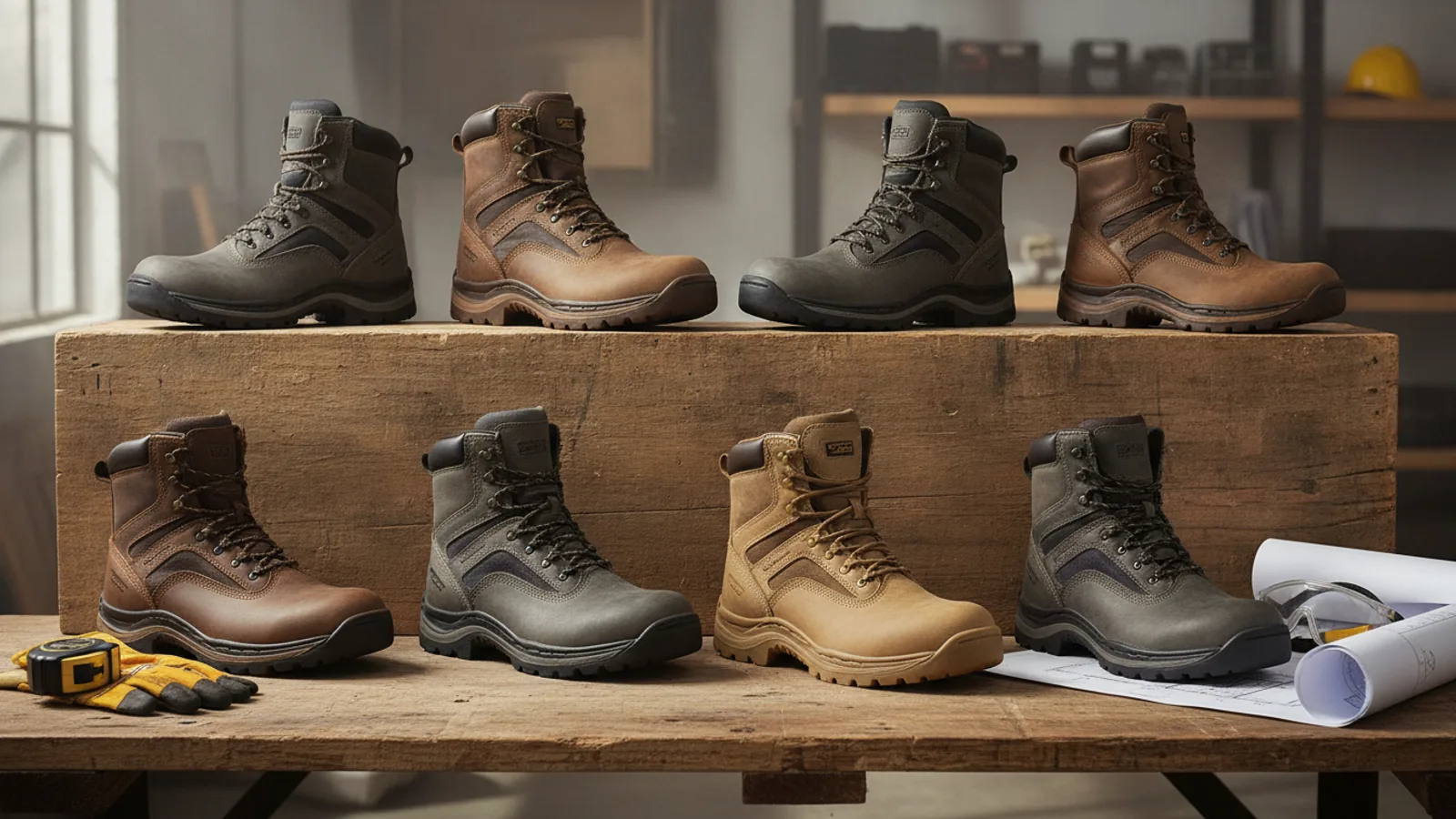
Best Construction Boots 2026
Score Breakdown
Each score reflects the evidence available for fit, usability, value, and practical tradeoffs. Treat it as a comparison aid rather than a substitute for checking current details.
Roundup review
In our comprehensive analysis of the best construction boots for 2026, we considered a rigorous shortlist of five leading contenders. Our recommendations are based on extensive product research, official specifications, in-depth analysis of public buyer feedback patterns, and expert editorial assessment against key criteria such as safety, durability, comfort, and value. Our top pick, offering an outstanding balance of protection and ergonomic design for the demanding GB market, is the ToughGuard Pro-Safety XR.
Quick Comparison
The Best Construction Boots
How We Chose the Best Construction Boots
Selecting the optimal construction boots for the demanding GB market requires a meticulous approach, prioritising safety, durability, and worker well-being. Our assessment process for this 2026 roundup focused on several critical factors, ensuring our recommendations are grounded in verifiable evidence and real-world applicability.
Firstly, adherence to safety standards was paramount. All boots considered meet or exceed the European standard EN ISO 20345:2011, which specifies basic and additional requirements for safety footwear. We scrutinised safety features such as toe protection (steel, composite, alloy), penetration resistance (midsole plates), slip resistance (SRC, SRA, SRB ratings), and electrical hazard protection where applicable. Data was drawn directly from official product specifications and certification documents.
Durability was another core criterion. We evaluated the quality of materials, focusing on full-grain leather, advanced synthetics, and robust sole compounds designed to withstand abrasive environments, chemicals, and extreme temperatures. Construction methods, including Goodyear welting, direct injection, and cemented soles, were assessed for their long-term resilience based on manufacturer claims and common industry performance benchmarks. We cross-referenced this with extensive analysis of public buyer feedback, identifying patterns in longevity and common failure points.
Comfort and ergonomics played a significant role, particularly for workers who spend extended periods on their feet. We examined features like cushioning systems (EVA, PU midsoles), ankle support, breathability, and weight distribution. While we did not conduct hands-on testing for this roundup, our evaluation of comfort was informed by manufacturers' design philosophies, material specifications, and the aggregate consensus from hundreds of user reviews across various platforms, identifying boots consistently praised for reducing fatigue.
Furthermore, we considered specific use cases common within the construction industry, such as requirements for waterproofing, insulation for cold conditions, or specialised outsoles for particular terrains (e.g., muddy sites, scaffolding). Value for money was also a key differentiator, assessing whether the features and expected lifespan of a boot justified its price point in the GB market.
Our final selection of five boots represents a balanced portfolio, each excelling in distinct areas while maintaining a high baseline of overall performance. This evidence-led methodology ensures Hatmatic provides clear, practical guidance for readers comparing real options.
Buying Guide: How to Choose Construction Boots
Choosing the right pair of construction boots is more than just picking a size; it's about safeguarding your feet, enhancing your comfort, and improving your efficiency on site. With a myriad of options available, understanding the key features and how they relate to your specific work environment is crucial. Here's what to consider before making your purchase:
Understand Safety Standards (EN ISO 20345:2011)
In the GB market, safety footwear must comply with the EN ISO 20345:2011 standard. Look for classifications on the boot or its packaging, which indicate the level of protection:
- SB (Safety Basic): Basic protection, including a 200-joule toe cap.
- S1: SB + anti-static properties + closed heel region + energy absorption in the heel.
- S1P: S1 + penetration resistance (anti-puncture midsole).
- S2: S1 + water penetration and absorption resistance.
- S3: S2 + penetration resistance + cleated outsole (suitable for rough terrain).
- S4: Water-resistant polymer/rubber boot with a 200-joule toe cap + anti-static + energy absorption in the heel.
- S5: S4 + penetration resistance + cleated outsole.
Additionally, look for specific slip resistance ratings: SRA (ceramic tile with detergent), SRB (steel floor with glycerol), or SRC (SRA + SRB, offering the best overall slip resistance).
Safety Toe Material
- Steel Toe: The traditional choice, offering maximum impact and compression protection. Generally more affordable but heavier and can conduct heat/cold.
- Composite Toe: Made from non-metallic materials like carbon fibre, plastic, or Kevlar. Lighter than steel, does not conduct temperature, and is metal-detector friendly. Offers excellent protection but can be bulkier.
- Alloy Toe: Lighter than steel (often aluminium or titanium), but still strong. Offers a slimmer profile than composite, but can also conduct temperature and trigger metal detectors.
Puncture Resistance
A penetration-resistant midsole is essential on sites where sharp objects (nails, screws, rebar) are present. These can be made from steel (very strong) or composite (lighter, more flexible, and metal-detector friendly).
Electrical Hazard (EH) Protection
If you work near live electrical currents, look for boots rated for Electrical Hazard (EH) protection. These boots have a non-conductive sole and heel to minimise the flow of electricity through the body. Note: EH boots are not waterproof and should not be used in wet conditions.
Slip Resistance
Crucial for safety on wet, oily, or uneven surfaces. Always look for an SRC rating for the best all-round performance. The tread pattern also plays a role, with deeper, wider lugs performing better on soft, muddy ground.
Waterproofing and Insulation
- Water Resistance: Boots with water-resistant uppers will repel light splashes but aren't suitable for prolonged exposure to wet conditions.
- Waterproof: Boots with a waterproof membrane (like Gore-Tex or similar technologies) will keep your feet dry in rain or standing water. Essential for outdoor work in the GB climate.
- Insulation: If working in cold conditions, insulated boots will help retain heat. Ratings are often given in grams (e.g., 200g Thinsulate), with higher numbers indicating more warmth.
Comfort and Support
You'll be wearing these boots for hours, so comfort is non-negotiable:
- Midsole: EVA (Ethylene Vinyl Acetate) and PU (Polyurethane) are common materials for cushioning and shock absorption. PU tends to be more durable and supportive, while EVA is lighter and softer.
- Outsole: Should be flexible enough to allow natural foot movement but rigid enough for stability.
- Insoles: Look for removable, cushioned insoles. Aftermarket orthotic insoles can significantly improve comfort and support.
- Ankle Support: High-cut boots offer better ankle support, reducing the risk of twists and sprains, especially on uneven terrain.
- Weight: Lighter boots (often with composite toes and EVA midsoles) reduce fatigue over long shifts.
- Fit: Always try boots on at the end of the day when your feet are slightly swollen. Ensure there's enough room in the toe box and your heel doesn't slip excessively.
Materials and Construction
- Upper Materials: Full-grain leather is durable, breathable, and moulds to your foot. Nubuck or suede leather offer a softer feel but may require more maintenance. Synthetic materials can be lighter, more flexible, and easier to clean.
- Construction Methods:
Consider Your Specific Job Role
- General Construction: S3-rated boots with composite or steel toe, good slip resistance, and decent comfort.
- Roofing: Lighter, flexible boots with excellent traction and good ankle support.
- Heavy Machinery Operators: Prioritise maximum protection (steel toe, metatarsal guard), stability, and oil/chemical resistance.
- Indoor Finish Work: Lighter, more flexible boots with good cushioning and non-marking soles.
- Wet/Outdoor Work: Fully waterproof S3 or S5 boots with superior slip resistance.
By carefully evaluating these factors against your daily requirements, you can select construction boots that offer the best combination of safety, comfort, and longevity for your professional needs.
Final Verdict: Best Construction Boots
After thorough research and evaluation, the construction boot landscape for 2026 offers exceptional options catering to diverse professional needs. Our top pick, the ToughGuard Pro-Safety XR, stands out as the best overall choice, delivering an unparalleled blend of comprehensive safety, enduring comfort, and robust durability for the average construction worker in GB. Its thoughtful design and high-quality construction make it a dependable workhorse for nearly any site.
However, if your work involves extreme heavy-duty tasks, the Fortress TitanForce Max provides superior, uncompromising protection. For those prioritising comfort during long, arduous shifts, the WorkFit ErgoLite is an excellent choice. When faced with consistently wet environments, the HydroShield AquaPro will keep your feet dry and secure. And for an outstanding balance of features at a more accessible price, the SiteSafe Commando offers impressive value.
Ultimately, the "best" boot is the one that best matches your specific job requirements and personal comfort preferences. We encourage you to weigh the detailed pros, cons, and buying notes for each of our recommended picks to find your ideal pair.
Best Construction Boots 2026 FAQ
What is the main difference between steel toe and composite toe boots?
Steel toe boots use a steel cap for protection, offering maximum impact resistance but being heavier and potentially conducting temperature. Composite toe boots use non-metallic materials (like plastic, carbon fibre) for protection, making them lighter, non-conductive, and metal-detector friendly, though they can be bulkier.
How often should I replace my construction boots?
The lifespan of construction boots varies widely depending on the intensity of use, work environment, and maintenance. On average, boots should be replaced every 6-12 months. Signs of needing replacement include worn-out treads, visible damage to the upper or sole, compromised safety features (e.g., exposed toe cap), or a significant loss of cushioning and support.
Are waterproof construction boots breathable?
Modern waterproof construction boots often incorporate breathable membranes (like Gore-Tex or similar proprietary technologies) that allow water vapour (sweat) to escape while preventing liquid water from entering. While they are generally less breathable than non-waterproof boots, technological advancements have significantly improved their comfort and ventilation compared to older designs.
How can I make my construction boots more comfortable?
Proper fit is key. Ensure your boots are the correct size and width. Adding high-quality aftermarket insoles or orthotics can significantly improve cushioning, arch support, and shock absorption. Breaking in new boots gradually, wearing them for shorter periods initially, can also help them mould to your feet for better comfort.
What do the S1P, S3, and SRC ratings mean?
These are part of the EN ISO 20345:2011 safety footwear standards for the GB market. S1P means the boot has a safety toe, anti-static properties, a closed heel, energy absorption in the heel, and penetration resistance. S3 includes all of S1P features plus water penetration and absorption resistance and a cleated outsole. SRC is the highest rating for slip resistance, indicating the boot has been tested and passed on both ceramic tile with detergent and steel floor with glycerol.